
Guesthouse and professional laundry operations with delicate loads
Our Lynnwood service enquiries include laundry comes out very wet despite a completed cycle, hot wash cycles remain cold and a leak is visible only during high-water-level cycles. We start from how the system is actually behaving and the installation conditions at the site, then discuss which diagnostic checks are appropriate for that model.
Lynnwood guesthouses, clinics and service workplaces may need dependable laundering of linens, towels and uniforms. We ask what programme was in use and whether fault symptoms differ between light fabrics and heavy absorbent loads.
Common faults and how we approach them
- Laundry comes out very wet despite a completed cycle
- Hot wash cycles remain cold
- A leak is visible only during high-water-level cycles
Laundry comes out very wet despite a completed cycle
The unit may have reduced spin due to imbalance, unresolved drainage or drive performance. We compare reported load types and water removal with the machine’s error history. An isolated heavy duvet load is different from low spin speed with every programme.
Hot wash cycles remain cold
Heating faults can involve elements, relays, sensors or an unsuitable hot-water supply arrangement. We ask whether the machine is intended to heat internally or uses a building supply. Testing must distinguish the selected wash temperature from the temperature actually achieved.
A leak is visible only during high-water-level cycles
The leak may depend on drum movement, hose position, door seal condition or water-level control. We ask whether it occurs while filling, washing or spinning. Dry flooring after a short empty test does not establish that the fault is resolved under normal operation.
Planning the right service assessment
Checking laundry extraction and water-temperature performance
A guesthouse may find that towels remain too wet for the dryer even after the machine reports that a cycle has finished. We ask whether the drum attempted a full spin and whether water was visible at the end. A load-balance restriction needs a different response from a failed motor or pump. For hot-wash complaints, the heating method and model design must be established before any thermostat or element is suspected. The required temperature should be compared with the programme selected and the equipment specification.
If a leak appears only on long or high-water cycles, tell us which programme was running, whether detergent dose changed and where the first water was seen. These details can direct inspection to the inlet, door seal, hoses or tub connection. After a repair we explain which operating stage was verified and what should be watched during the next routine laundry period; an empty rinse alone may not reproduce the original load conditions.
Information that helps narrow the fault
Please identify the precise washer, programme stage and load type, whether the door is locked or water remains in the drum, and the error if one appears. If several units are installed, tell us whether they share the symptom. Do not ask staff to repeat a cycle on visibly unsafe equipment.
Why does a washer spin small loads but struggle with towels or bedding?
Absorbent loads distribute differently and can trigger imbalance protections. We investigate load limits, suspension and drive response to determine whether the issue is use-related or mechanical.
For a service enquiry in Lynnwood, it helps to distinguish "laundry comes out very wet despite a completed cycle" from "a leak is visible only during high-water-level cycles" when you speak with us. They can lead to different diagnostic checks even on the same machine. Share the stage at which the fault occurs and any conditions that changed immediately beforehand. We will discuss the next step after the relevant service arrangements and access needs are clear.
Understanding a repeating leak complaint
If water appears only with large laundry loads, document whether the wet area is near the door or underneath the cabinet and at what cycle stage it begins. Excess detergent can create oversudsing, while a weakened hose or seal may leak when the drum moves. Those causes are not interchangeable. When the equipment has been repaired, the relevant normal wash programme should be observed safely before the manager relies on the machine for daily linen turnover.
What to have ready before an appointment
Send the washer type, programme that fails and any detergent dosing equipment connected to it. Please advise whether the room has floor drainage and whether guest or staff schedules restrict safe access.
Diagnosis and the repair decision
Confirming that the reported fault has been addressed
Following repair, we recommend monitoring the programme and load type that originally showed the fault. Preventive advice may include sensible loading, seal inspection and drain maintenance, but it should reflect the machine manufacturer’s instructions.
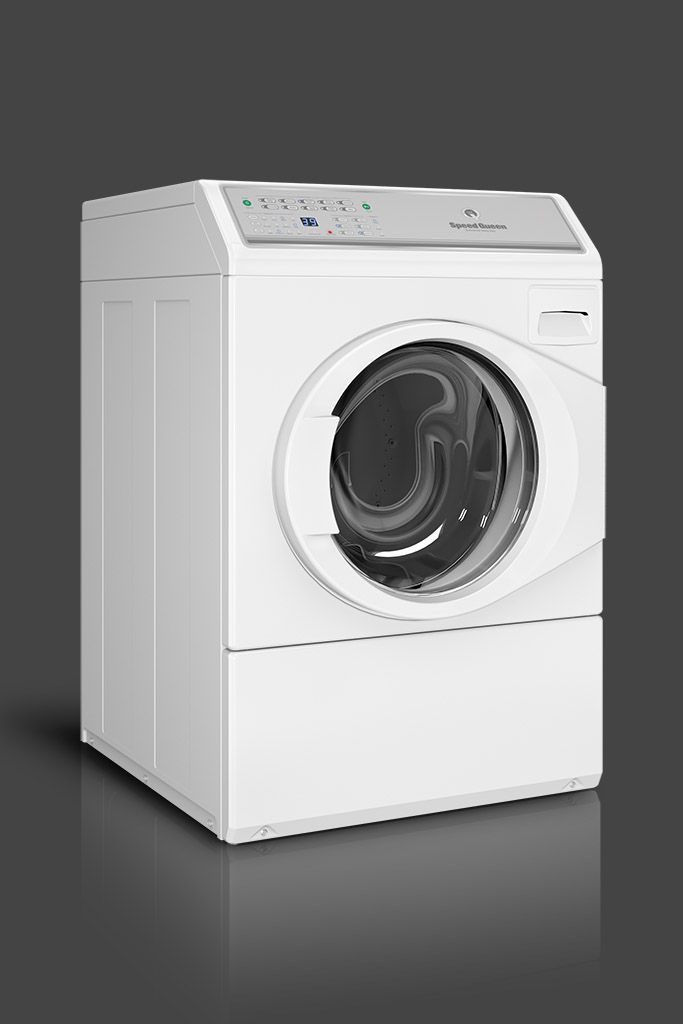
Service considerations in Lynnwood
Our assessment relates to guesthouse and professional laundry operations with delicate loads. Tell us which of the following symptoms you are seeing so we can discuss the next step:
- Laundry comes out very wet despite a completed cycle
- Hot wash cycles remain cold
- A leak is visible only during high-water-level cycles
Do not operate equipment with leaking water near power connections, a damaged door lock, severe drum movement or repeated supply trips. Staff should not defeat guarding or door interlocks. Isolate affected equipment according to site procedures and identify it clearly as unavailable until assessed.