
Reliable dishwasher fault diagnosis and repairs
We repair dishwashers that will not fill, circulate, heat, drain or finish a programme. An appliance that leaves dishes dirty may still have a working pump, while a machine that appears dead may be reacting to a leak-protection device. We identify the failed function before discussing which component actually needs attention.
In Centurion, a dishwasher may be part of a family kitchen, a rental apartment or a small business kitchenette. We ask how heavily it is used, whether the drainage connection is shared, and whether the owner or property manager must approve repairs. These practical details often determine the safest way to test and remove an appliance.
Faults we can assess
In Centurion, we start by establishing whether the complaint is poor drying, blocked drainage or a door that will not register as safely closed. Those conditions can all stop a normal programme but do not share the same cause. The load size, chosen programme and whether the unit is integrated into cabinetry influence the checks we perform.
- No fill, very slow fill or programme stopping early
- Water left in the cabinet after a completed cycle
- Poor wash quality, cold water or cloudy dishes
- Leaking door edges, wet flooring or repeat fault codes
The dishwasher runs but does not dry dishes
Drying performance can be affected by the chosen programme, rinse-aid setting, heating function, fan or venting arrangement, depending on the model. We first ask whether dishes are warm at the end and whether drying changed suddenly. A cold wash is a different fault from poor drying on an otherwise correctly heated cycle.
Standing water after a busy day of use
Frequent cycles can reveal drainage restrictions that are less obvious during occasional use. We check filter and waste-hose flow, sump condition and pump behaviour, while also asking whether the sink drains correctly. If water reaches nearby sockets, discontinue use and arrange safe inspection.
Door latch errors on integrated units
A misaligned outer furniture door can affect closure, but an interlock or switch may also be faulty. We look at hinge movement, seal seating and the latch signal rather than forcing the door or bypassing a safety switch.
A practical repair plan, not unnecessary parts
Centurion dishwasher enquiries sometimes involve rental units or staff kitchens where the operator is not the owner. We ask who can approve repairs, whether there is a known leak history and whether the appliance must be returned to service during business hours. This prevents a technician from discovering at the site that cabinet removal or an electrical shutdown has not been authorised.
A drying complaint calls for checking the selected programme and whether the machine actually heated its wash water. Rinse-aid settings, ventilation and model design may matter more than a heating part when dishes are clean but remain damp. Where the cycle also leaves standing water, the drainage issue may need attention before drying behaviour can be interpreted.
What we check before recommending a repair
Before proposing a heater, door switch or drain pump, we confirm which stage of the dishwasher cycle fails. A correctable obstruction is different from a failed electrical component, particularly where the appliance is several years old. For commercial kitchens and rental apartments, we discuss who authorises work and whether the machine must be safely isolated during testing.
An integrated door that fails to register as shut needs a different repair assessment from a circulation problem. We inspect alignment, cabinetry interference and the door safety switch without defeating the interlock. Where furniture removal is necessary, we discuss that work with the responsible person before proceeding.
Inspecting the equipment behind the fault
We investigate the working parts, electrical controls and installation conditions involved before recommending what should be repaired.
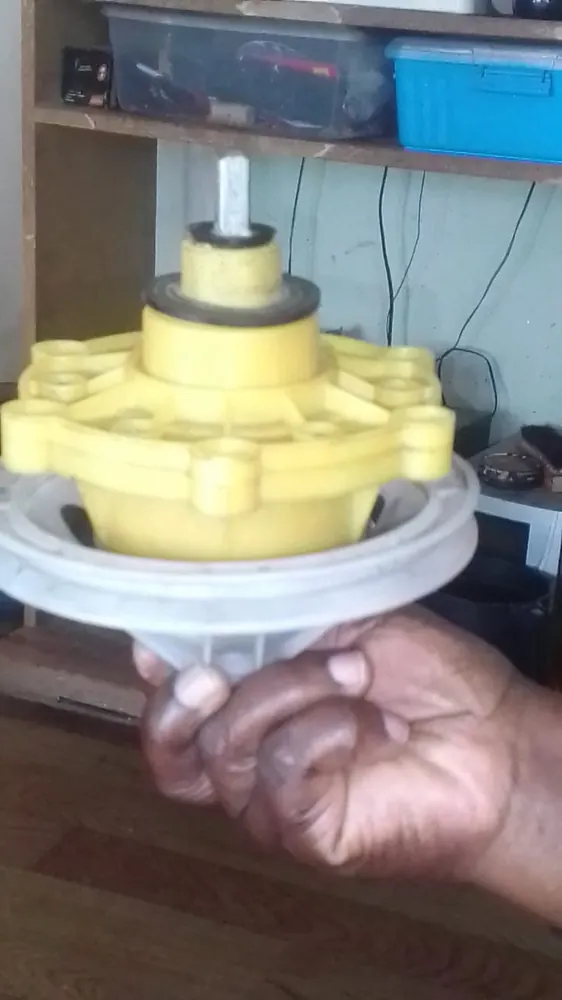
Our fault-finding checks
We trace the stage that is failing and inspect the components relevant to that symptom.
- Water fill and outlet flow
- Door latch and leak protection
- Wash circulation and heater controls
- Model-specific error codes
Preparing for your Centurion service visit
If the appliance belongs to a rental property or commercial office, provide the authorised contact person and access hours. Include the complete model number when requesting parts advice.
If this is a rental or staff kitchen, provide the manager’s name, hours when the room can be accessed and the appliance model. Note whether the door makes a normal latch sound and whether any water remains in the bottom after a fault. Do not force the appliance out of fitted cabinetry.
Stop using the dishwasher if water is reaching electrical outlets, the cabinet is smoking or the circuit protection trips repeatedly. If it is safe, stop the programme and isolate power and the water feed; otherwise contact a qualified electrician. Do not remove panels or defeat door switches to continue using a leaking appliance.
Testing the full programme after the fault
A reported door or drying fault is not resolved merely because the display powers up again. Door closure must be reliable, the programmed stages should proceed normally and the unit should not leak when working under ordinary conditions. Heating and drying outcomes also depend on the selected cycle, rinse aid and the appliance design. If the unit belongs to a landlord or business, we can explain what was found to the authorised contact and identify any remaining maintenance issue.
Service coverage and related repairs
Our service team handles enquiries in Centurion and other parts of Pretoria and Centurion. For a full explanation of our service scope, visit dishwasher repairs in Pretoria. You can also explore appliance repairs in Centurion, browse the services directory or view recent repair work.