
Multiple-zone cooling for industrial and commercial sites
Our Centurion service enquiries include one area overheats while neighbouring rooms stay cool, equipment restarts after a breaker reset then stops and control alarms disagree with what operators feel. We start from how the system is actually behaving and the installation conditions at the site, then discuss which diagnostic checks are appropriate for that model.
Centurion commercial and industrial premises often combine office, workshop and equipment-room cooling. A complaint that the entire building is warm can conceal a single-zone fault or an issue with the shared plant. We ask the site team to identify the affected zone and operating schedule first.
Common faults and how we approach them
- One area overheats while neighbouring rooms stay cool
- Equipment restarts after a breaker reset then stops
- Control alarms disagree with what operators feel
One area overheats while neighbouring rooms stay cool
Zone controls, sensors, dampers, fan distribution and individual indoor units can create very different temperatures under one building schedule. We compare set points, actual readings and the airflow delivered to the affected area. Adding more refrigerant to a central system is not a valid first step for an isolated airflow complaint.
Equipment restarts after a breaker reset then stops
An overloaded fan motor, wiring issue, component short or controller fault may return after the initial reset. We ask for the fault code and interval between trips, and advise against repeated resets. Testing proceeds only with appropriate electrical isolation and permission from building management.
Control alarms disagree with what operators feel
A badly placed sensor or incorrect controller configuration may produce misleading readings. We compare accessible actual conditions with the displayed values and review operating modes. Comfort observations matter, but decisions about equipment should also be based on measurements and the system design.
Planning the right service assessment
Separating local control faults from shared plant faults
If three zones connect to one central system, a warm meeting room does not prove the compressor is defective. We establish whether air reaches the room, whether the controller requests cooling, and whether neighbouring zones respond correctly. Damper position, return-air routing and sensor location can all change the reading without creating the same symptoms elsewhere. Conversely, simultaneous protection alarms across several branches suggest examining shared equipment or electrical conditions. Recording which zone fails first narrows the work before components are isolated.
Some Centurion sites operate building management controls that can override local thermostats during set hours. We ask who owns the schedule and whether a previous contractor modified settings or alarm limits. Repair authorisation should come from the contact who can approve any shutdown affecting other tenants. When a zone appears corrected, compare its response at a representative occupied time rather than relying only on the controller showing a lower set point.
Information that helps narrow the fault
Please identify the air-conditioning unit and record the approximate time of any shutdown, the indicated alarm, the operating demand and whether the affected area becomes warm before or after the alarm. These observations help separate an ongoing performance loss from a protective trip. Do not open panels to obtain a reading.
Do all the air-conditioning units have to be switched off for one repair?
Not necessarily. The plant design and electrical arrangement determine what can be safely isolated. We plan that with the authorised building representative.
For a service enquiry in Centurion, it helps to distinguish "one area overheats while neighbouring rooms stay cool" from "control alarms disagree with what operators feel" when you speak with us. They can lead to different diagnostic checks even on the same installation. Share the stage at which the fault occurs and any conditions that changed immediately beforehand. We will discuss the next step after the relevant service arrangements and access needs are clear.
Checking a suspected building-wide plant interruption
If several rooms became warm together, the order of events matters. We ask which controller first showed a warning, whether the outdoor plant kept running and if any scheduled control change happened at the same time. Where only one zone is affected, we concentrate on local airflow or control before disturbing shared equipment. Site management should keep any existing alarm logs because they help distinguish one defective branch from a shared electrical or mechanical fault.
What to have ready before an appointment
Provide the floor or zone designation, access arrangements and the contact who can authorise temporary shutdowns. Tell us whether building controls are managed centrally and whether any third-party contractor must permit system adjustments.
Diagnosis and the repair decision
Confirming that the reported fault has been addressed
We distinguish what has been corrected in the failed zone from any remaining building-wide balancing or ventilation requirement. Once the unit is back online, trends from the occupied period help show whether the reported temperature problem has actually improved.
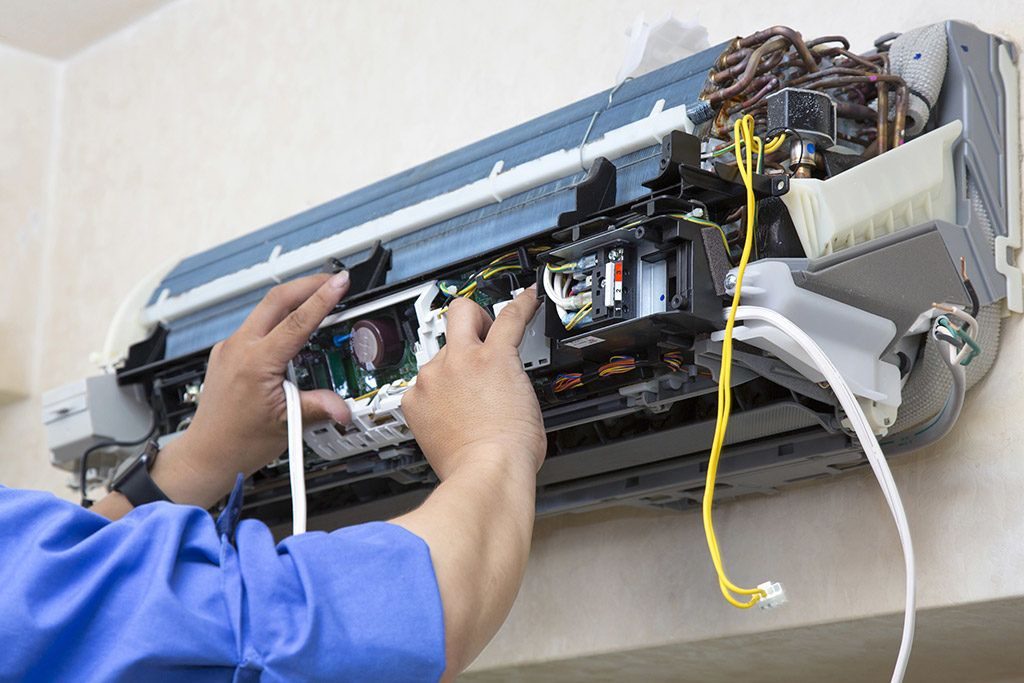
Service considerations in Centurion
Our assessment relates to multiple-zone cooling for industrial and commercial sites. Tell us which of the following symptoms you are seeing so we can discuss the next step:
- One area overheats while neighbouring rooms stay cool
- Equipment restarts after a breaker reset then stops
- Control alarms disagree with what operators feel
Electrical isolation, roof access, moving fans, pressurised refrigerant circuits and plant-area permits require appropriate authorised personnel. Do not reset a repeatedly tripping system or defeat an interlock to keep production cooling running. Where the site has a permit-to-work procedure, advise us in advance.